HIMSS TV
Mount Sinai Health System, Nvidia and ARC Innovation Center leaders describe how their collaboration aims to decode the human genome using AI in order to more precisely predict disease risk and understand individual therapy response.
As CMS removes procedures from its Inpatient-Only (IPO) list, Allison Oakes, Trilliant's chief research officer, recommends that hospitals establish a clear outpatient strategy to avoid losing the income these procedures bring.
Dr. Thomas Keane of ASTP/ONC discusses the agency's initiative that is piloting programs in nine states to ensure that behavioral health data can flow securely between providers, vocational programs and housing authorities.

Cleveland Clinic CIO Sarah Hatchett talks about how the health system is leveraging AI for use cases like clinical documentation, coding and sepsis detection to boost productivity for clinical and non-clinical staff.
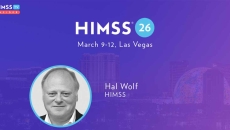
Hal Wolf, HIMSS CEO, spotlights upcoming HIMSS26 presentations from Taiwan's China Medical University Hospital and South Korea's Samsung Medical Center, which will discuss AI-driven transformation and digital maturity.
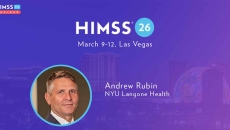
HIMSS26 speaker Andrew Rubin will discuss how NYU Langone Health established a service-oriented patient interaction program in its ambulatory care centers that has improved patient satisfaction.

Virginia Halsey of FDB explains how Model Context Protocols set limits for AI models so they defer to human clinical judgment rather than guessing at answers. This prevents hallucinations that can impact patient safety.

Ovatient CEO Michael Dalton recommends that states use Rural Health Transformation Program money to move beyond hospital-centric care models and supplement local health services with virtual-first primary and specialty care.
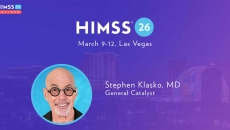
General Catalyst's Dr. Stephen Klasko discusses his keynote at the Smart Health Transformation Preconference Forum at HIMSS26, where he'll outline how healthcare can become truly patient-centered by being "tailored to the individual, and made swift."
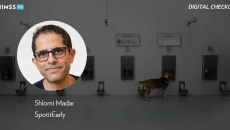
Shlomi Madar, CEO of SpotitEarly, discusses the company's noninvasive test using a breath sample, which is analyzed by specially trained dogs capable of identifying unique cancer-related scent signatures combined with AI technology.