precision medicine
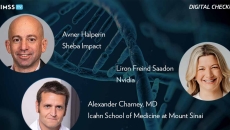
Mount Sinai Health System, Nvidia and ARC Innovation Center leaders describe how their collaboration aims to decode the human genome using AI in order to more precisely predict disease risk and understand individual therapy response.
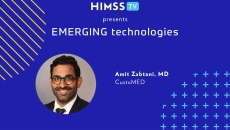
Emerging Technologies
Dr. Amit Zabtani, an orthopedic surgeon at UCLA and cofounder and CMO of CustoMED, says the company uses 3D printing to create patient-specific instruments based on an individual’s anatomy, enabling more precise positioning during surgery.
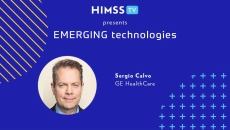
Emerging Technologies
Sergio Calvo, general manager of theranostics at GE HealthCare, discusses the organization's use of theranostics in cancer care and how the technology combines targeted therapy with diagnostic imaging for personalized oncology care.

HIMSS25
Jackie Rice, VP and chief information officer at Frederick Health, says adding pharmacogenetic data to the health system's EHR enables alerts that advise clinicians on how a patient’s genes can affect drug response.

HIMSS25
Genetic therapy is effective but can cost millions of dollars. Boro Dropulić, executive director of Caring Cross, says technology innovations and partnerships with hospitals and governments can help lower costs and increase accessibility.
The funding round brings the company's total raise to $1.86 billion since it launched in 2018.
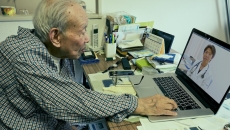
The olivia app will allow patients to aggregate their health data in a central location.
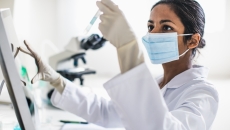
The aim of the partnership is to allow healthcare providers to offer precision medicine support tools.

Richard Staynings, a University of Denver professor, highlights the drawbacks and benefits of AI in patient care and precision medicine, advancing cybersecurity in healthcare, and malicious use of the technology to get past malware defenses.
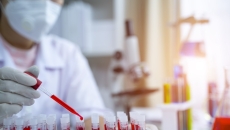
The tech aims to deliver AI-driven drug response prediction to human oncology.