artificial intelligence
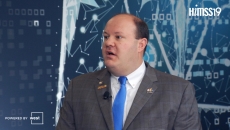
The Regenstrief Institute is automating the delivery of data into dashboards to reduce the burden of professionals looking at population data, according to Health Informatics Director Brian Dixon.

Ian Z. Chuang, chief medical officer at Elsevier, says in a traditional model, research to bedside takes an average of 17 years. With machine learning and other new technologies, there needs to be a shorter timeline.

Dr. Chris DeRienzo, chief quality officer at Mission Health, discusses the intersection of AI, tech and humanity in healthcare and how machine learning tools are bringing about fundamental improvement in population health.

Neil Jordan, Worldwide Health Leader and Connector at Microsoft, says there is great potential for AI in healthcare but be aware of such issues as ethics and regulations.
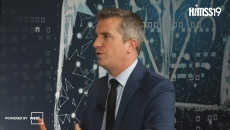
Applying AI to improve care delivery and patient experience requires curated data, supercomputing infrastructure and the ability to model algorithms on neural networks, says Jörg Aumüller, head of digitalizing healthcare marketing, Siemens Healthineers.
A new programme based at Imperial College London will focus on technologies that help people with dementia to live well in their own homes, while generating data to help researchers better understand the cause and progression of the condition.

IT is funneling various data sources such as EHRs and claims data into a treasure trove researchers can analyze, says Duke University Health System Chief Analytics Officer Stephen Blackwelder.

At MEDinIsrael 2019, Medivizor CEO Tal Givoly explains why his startup distills cutting-edge medical science to patients.
The Boston-based company has grown from 25 to 60 staff members within the past year, and has collaborated with pharmaceutical partners such as Bristol-Myers Squibb and Novartis.

Understanding what customers need is critical to the venture capital firm for AI, medical apps and the next generation of wearables, according to Menlo Ventures Partner Greg Yap.